Eight paths. One system.

Explore the disciplines that form the physical, technical, cultural and developmental foundation of Udo Ogu.

Train the body. Develop the warrior.

Udo Ogu is a structured African martial-art system rooted in Igbo warrior heritage, combining traditional martial principles with modern training, physical conditioning, technical development and regulated competition.

Its eight complementary disciplines develop different qualities of the practitioner while working together toward the development of the complete Udo Ogu warrior.

Strength Skill Accuracy Speed Discipline Strategy Courage Control

The Disciplines

01

COMBAT

Combat

A structured combat discipline focused on technical ability, controlled practice, rules and safe competitive development.

02

GRAPPLING

Wrestling

A discipline centred around movement, balance, control, technique and competitive wrestling practice.

03

TECHNIQUE

Technical Forms

Structured forms designed to develop movement, technique, precision, control and understanding.

04

PRECISION

Archery

Training centred on equipment, fundamentals, accuracy, distance, safety and competition.

05

TRADITIONAL SKILL

Spear Throwing

A controlled discipline involving technique, distance, accuracy, equipment and safety.

06

CULTURE

Warrior Dance

A cultural movement discipline combining rhythm, movement, conditioning and performance.

07

WEAPONS

Weapons

Structured training with traditional and training weapons, emphasizing controlled practice and safety.

08

PHYSICAL DEVELOPMENT

Physical Conditioning

Development of strength, endurance, flexibility, speed, agility, balance and coordination.

COMBAT

Combat Development

Udo Ogu Combat is a structured combat discipline focused on technical ability, controlled practice, safety and competitive development.

An introduction to the purpose, structure and development of Udo Ogu Combat.
The principles and values that guide the practice and development of the practitioner.
The foundational skills and movements developed before progressing to more advanced practice.
Structured training develops technical ability, physical preparation and controlled practice.
Competition is conducted within established rules designed to provide structure and safety.
Scoring provides a structured way of evaluating performance during competition.
Techniques permitted within the applicable competition rules and safety standards.
Techniques or actions that are not permitted because they may conflict with competition or safety standards.
Protective equipment supports safe and controlled participation during training and competition.
Weight divisions help organize competitors into appropriate categories for fair and safe competition.
Competition format describes how participants are organized and how bouts or matches are conducted.
Safety is an essential part of training, equipment use and competitive practice.
This section can later contain approved Udo Ogu Combat training and demonstration videos.
WRESTLING

Wrestling Development

Wrestling develops movement, balance, control, technique and competitive ability through structured wrestling practice.

Wrestling techniques develop movement, positioning, control and technical ability.
Training develops physical preparation, movement and controlled wrestling practice.
Rules provide structure for safe and organized wrestling practice and competition.
Wrestling competition provides a structured environment for testing technical and physical development.
Scoring provides a method for evaluating performance during wrestling competition.
Safety principles support controlled training and responsible participation.
TECHNICAL FORMS

Technical Forms

Technical Forms develop movement quality, precision, control and understanding through structured forms and fundamental movements.

Technical Forms help develop movement quality, technical understanding and controlled execution.
Structured movement sequences provide a framework for developing technical skill and discipline.
Fundamental movements establish the basic physical and technical foundations of the discipline.
Requirements describe the level of preparation and execution expected during forms practice.
Judging provides a structured evaluation of a practitioner's technical performance.
Scoring provides a framework for evaluating performance during forms competition or assessment.
ARCHERY

Archery

Udo Ogu Archery develops precision, focus and controlled performance through equipment, fundamentals, accuracy and distance training.

Equipment used for archery practice should support safe and controlled training.
Fundamental skills establish the foundation for consistent and controlled archery practice.
Safety procedures are essential when handling equipment and practicing archery.
Training develops consistency, control, focus and technical ability.
Accuracy focuses on controlled execution and consistent placement of shots.
Distance training develops the ability to perform accurately across designated distances.
Competition provides a structured setting for testing archery skill and consistency.
Rules provide structure for safe, organized and consistent archery competition.
Scoring provides a structured method for evaluating accuracy and competition performance.
SPEAR THROWING

Spear Throwing

Spear Throwing is a traditional skill focused on controlled technique, distance, accuracy, equipment and safe practice.

This section can introduce the historical and cultural background of spear throwing within the system.
Equipment supports structured practice and should be used according to appropriate safety standards.
Technique focuses on controlled movement and consistent execution.
Training develops technical control, physical preparation and consistency.
Safety is essential when handling equipment and conducting throwing practice.
Distance development focuses on controlled throwing performance across designated distances.
Accuracy focuses on consistent control and placement during throwing practice.
Competition provides a structured environment for testing throwing ability.
Rules provide structure for safe and organized spear throwing competition.
Scoring provides a method for evaluating performance during competition.
WARRIOR DANCE

Warrior Dance

Warrior Dance connects physical development with cultural expression through movement, rhythm, conditioning and performance.

This section introduces the cultural context and traditions connected with Warrior Dance.
Movement develops physical expression, coordination and controlled body movement.
Rhythm supports timing, coordination and expressive movement.
Warrior Dance can contribute to physical conditioning through structured movement and practice.
Performance brings together movement, rhythm, cultural expression and preparation.
WEAPONS

Weapons Training

Weapons training introduces traditional and training weapons through structured instruction, fundamentals, controlled practice and safety.

This section can introduce traditional weapons associated with the Udo Ogu system.
Training weapons provide a controlled way to develop skills during instruction and practice.
Fundamental practice develops control, awareness and basic handling skills.
Safety is central to responsible weapons training and controlled practice.
Controlled practice allows practitioners to develop skills within a supervised training environment.
PHYSICAL CONDITIONING

Build the Complete Athlete

Physical Conditioning supports the development of the complete practitioner and provides the physical foundation for Udo Ogu training.

Strength development supports physical capability and performance across Udo Ogu training.
Endurance supports sustained physical activity and training performance.
Flexibility supports controlled movement and physical mobility.
Speed development supports quick and controlled movement.
Agility develops the ability to move and respond efficiently.
Balance supports stability, control and effective movement.
Coordination develops the ability to combine movement accurately and efficiently.

Eight disciplines. One warrior.

The disciplines of Udo Ogu are not isolated practices. Each develops a different quality, and together they build the complete practitioner.

01

Combat

Develops practical fighting ability, awareness and controlled response.

02

Wrestling

Develops strength, balance, positioning and physical control.

03

Technical Forms

Develops precision, movement, technical knowledge and discipline.

04

Archery

Develops focus, accuracy, coordination and patience.

05

Spear Throwing

Develops distance, power, timing and precision.

06

Warrior Dance

Develops movement, rhythm, conditioning and cultural expression.

07

Weapons

Develops coordination, discipline, control and traditional knowledge.

08

Physical Conditioning

Supports strength, endurance, mobility, agility and overall martial performance.

Combat develops the warrior's ability. Wrestling develops control. Forms develop precision. Traditional disciplines preserve knowledge. Conditioning strengthens the body that supports them all.

Together, the disciplines develop the complete Udo Ogu practitioner.

Strength requires control.

Udo Ogu training is built around discipline, responsibility and respect. Training is adapted to the practitioner's age, level, ability and stage of development.

Safe Training

Practitioners train in a controlled environment using appropriate methods, equipment and supervision for their level.

Qualified Supervision

Contact training, weapons, archery and spear throwing require appropriate supervision and safety procedures.

Discipline & Responsibility

Martial ability must be guided by discipline, respect, self-control and responsibility toward others.

Udo Ogu is not about uncontrolled violence. Its purpose is development, protection, discipline, fitness, competition and mastery.

A true warrior possesses strength — and remains in control.

Find your discipline.

Explore the Academy and discover training programs designed for different levels and goals.

Explore Academy

Rooted in tradition. Built for development.

Udo Ogu preserves the heritage and warrior philosophy of its African foundation while using structured modern training to develop practitioners, athletes and future instructors.

01

Tradition

The cultural foundation of Udo Ogu preserves the knowledge, identity and philosophy of the warrior tradition.

  • Heritage
  • Culture
  • Warrior Philosophy
  • Traditional Techniques
  • Weapons
  • Movement
02

Modern Development

Modern training structures help practitioners develop their physical ability, technical skill and competitive potential.

  • Combat Science
  • Conditioning
  • Structured Training
  • Competition
  • Coaching
  • Athlete Development
Preserve the heritage. Develop the warrior.

Udo Ogu connects cultural identity with disciplined modern development to create a martial system prepared for future generations.

Tradition and competition.

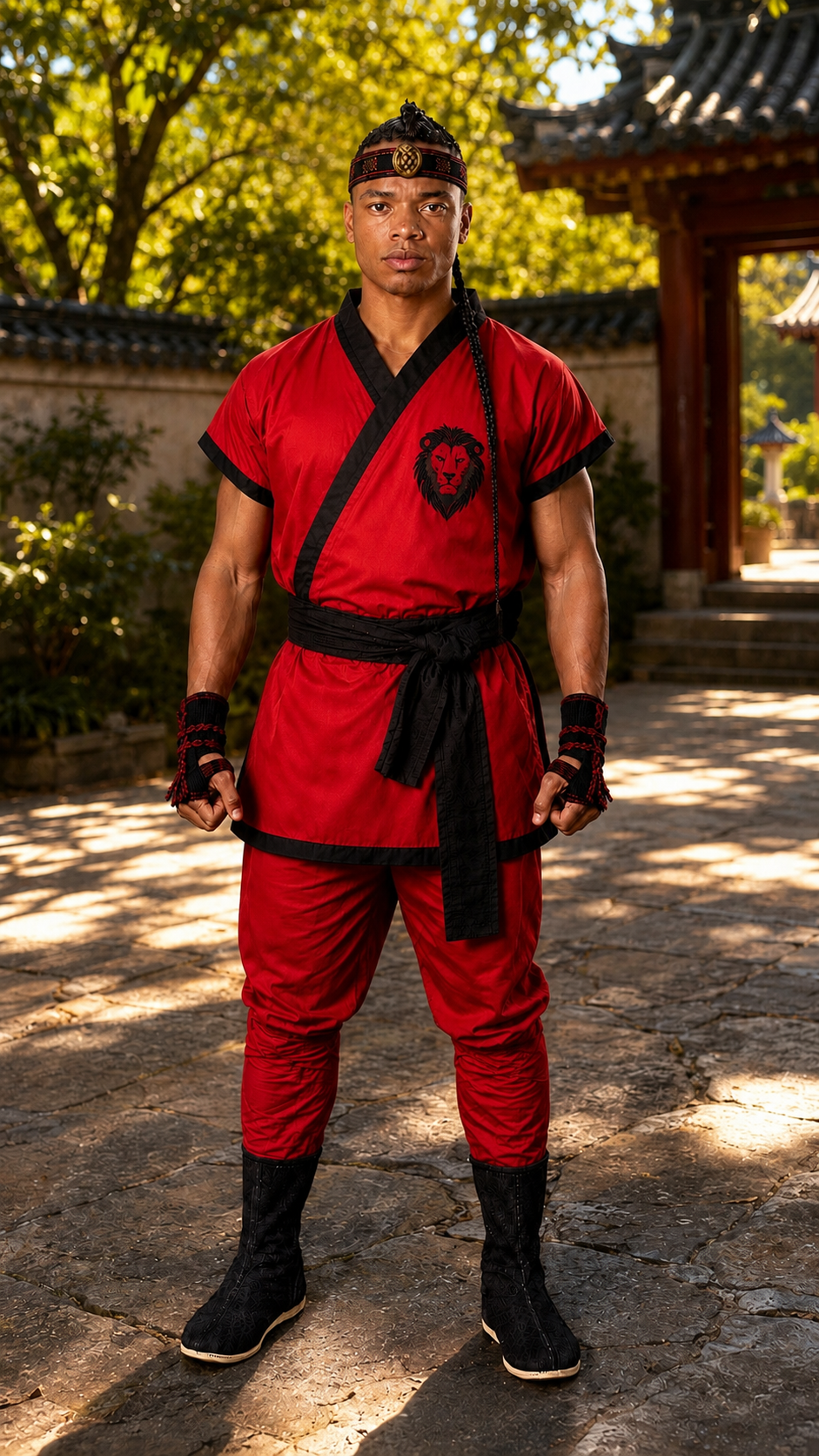
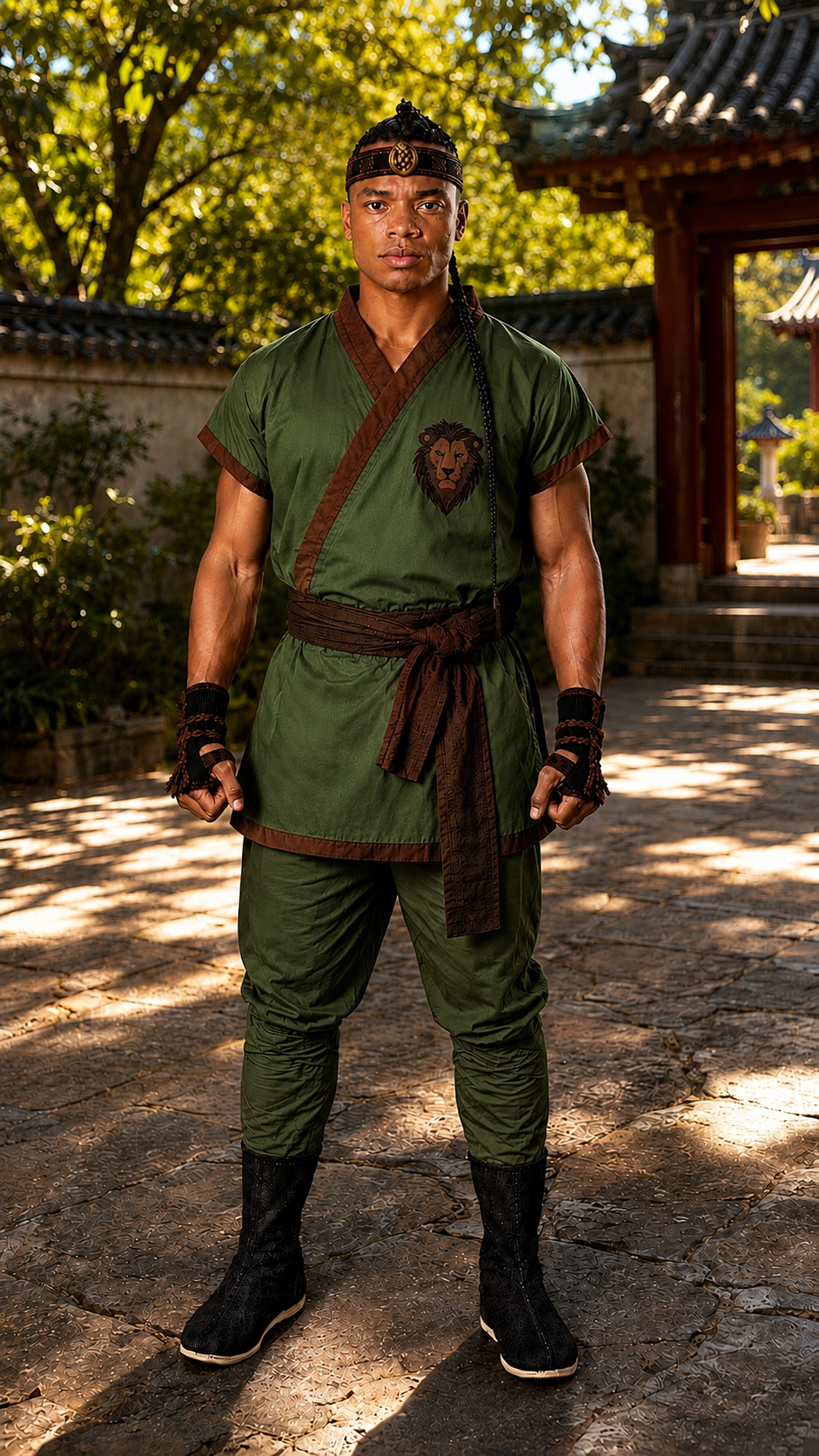
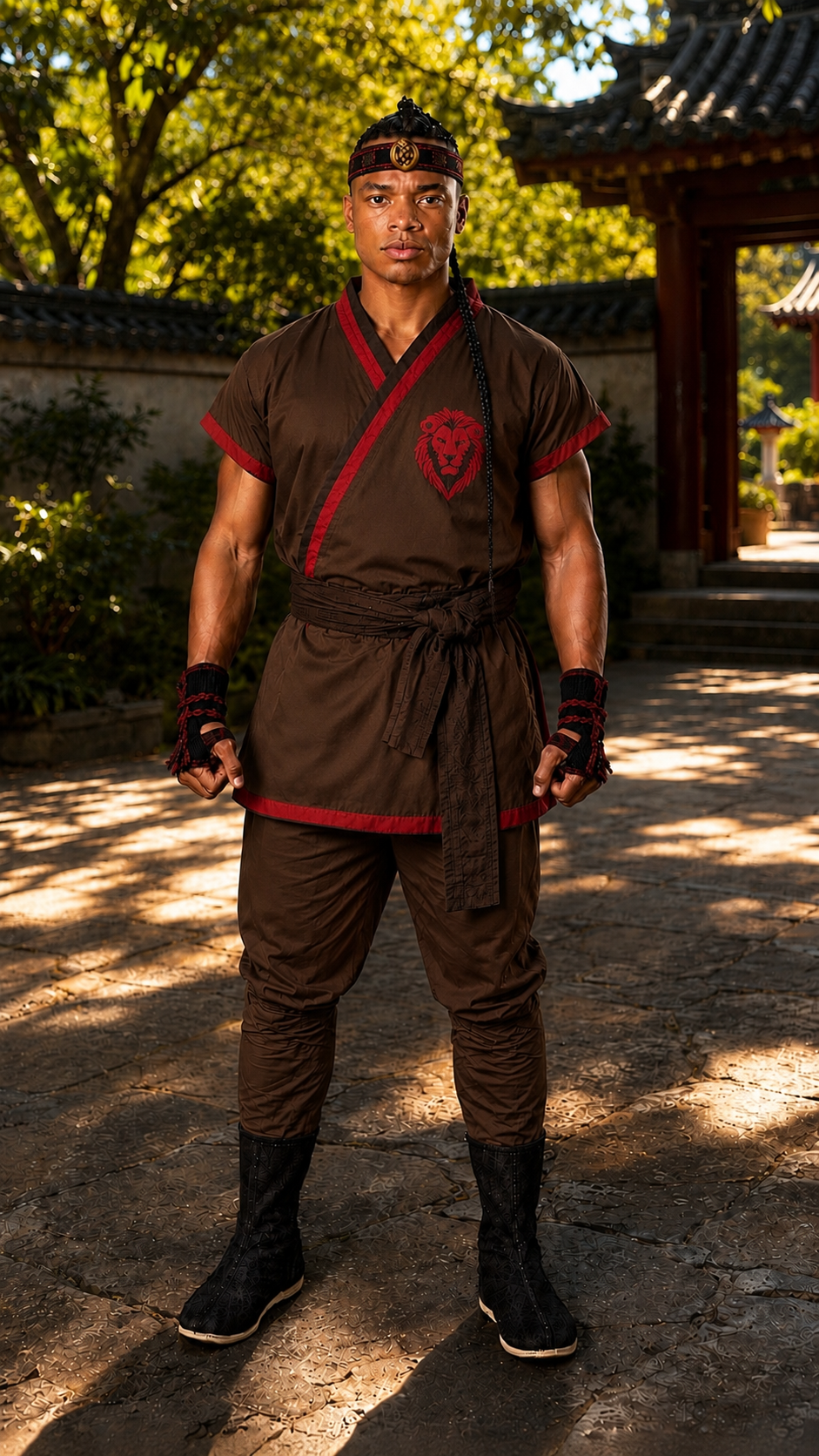
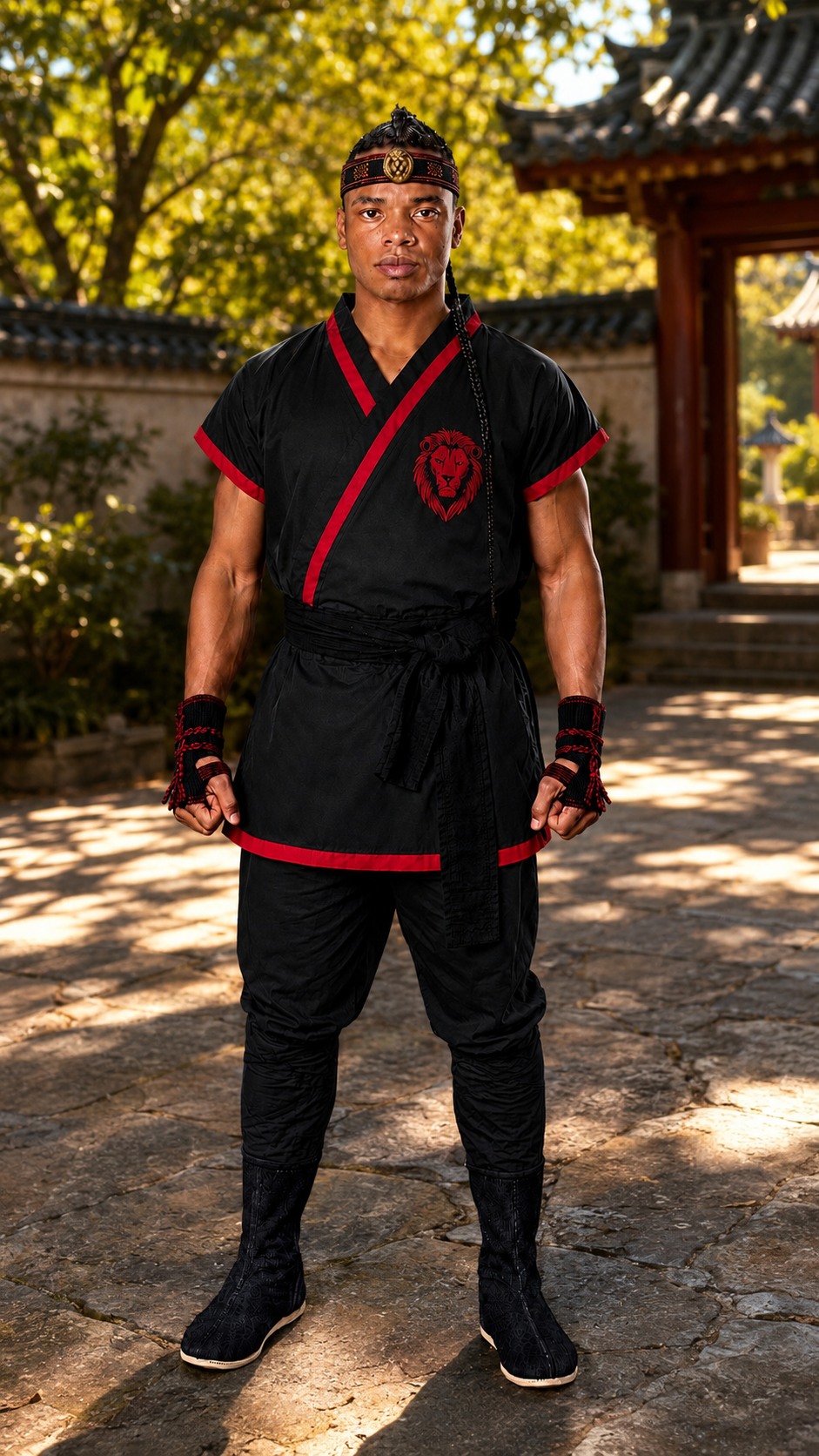
Udo Ogu attire reflects both the cultural identity of the system and the practical requirements of competitive practice.
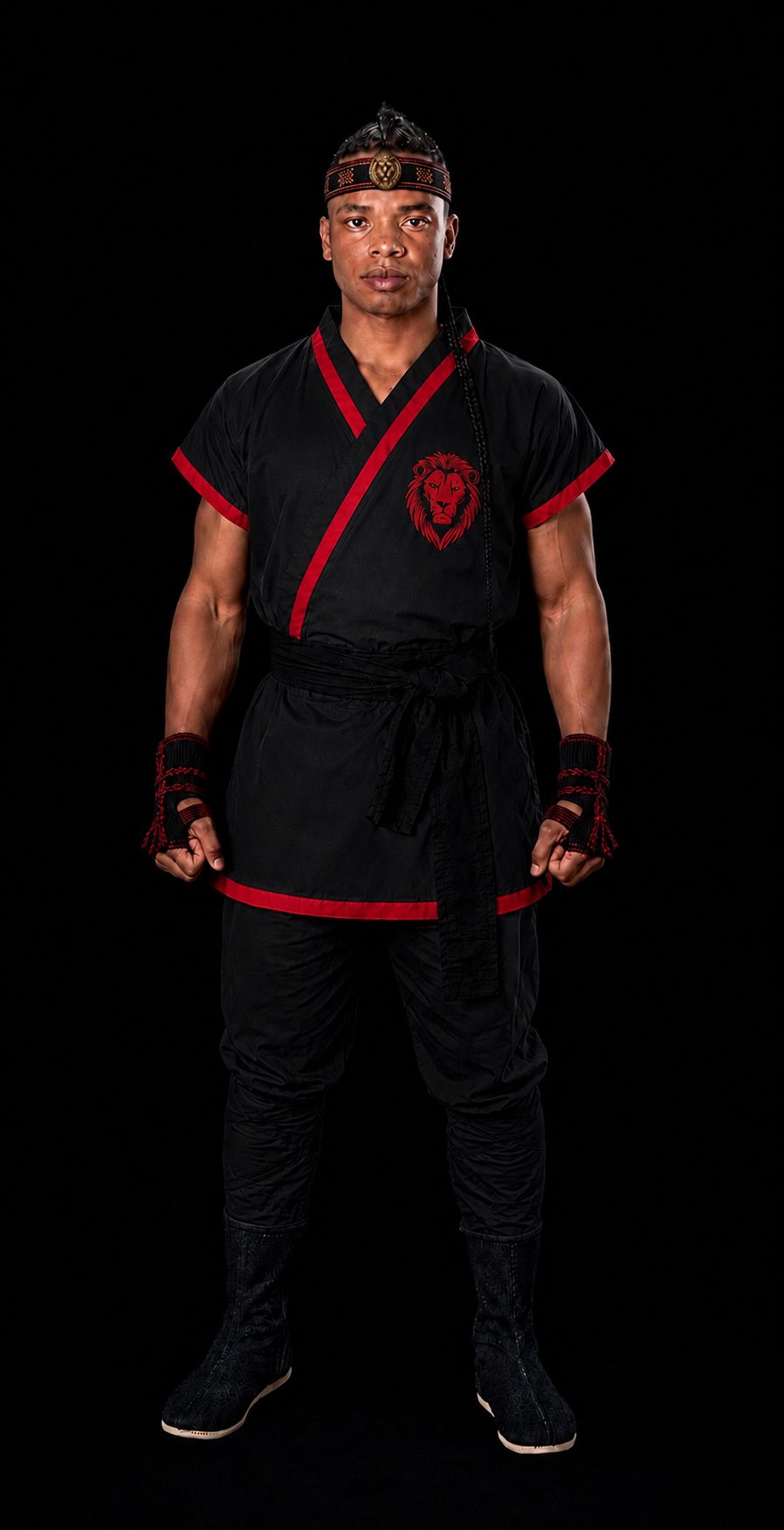
TRADITIONAL ATTIRE

Traditional Uniform

Traditional attire represents the cultural heritage and identity associated with Udo Ogu. It forms part of the wider cultural expression surrounding the practice.
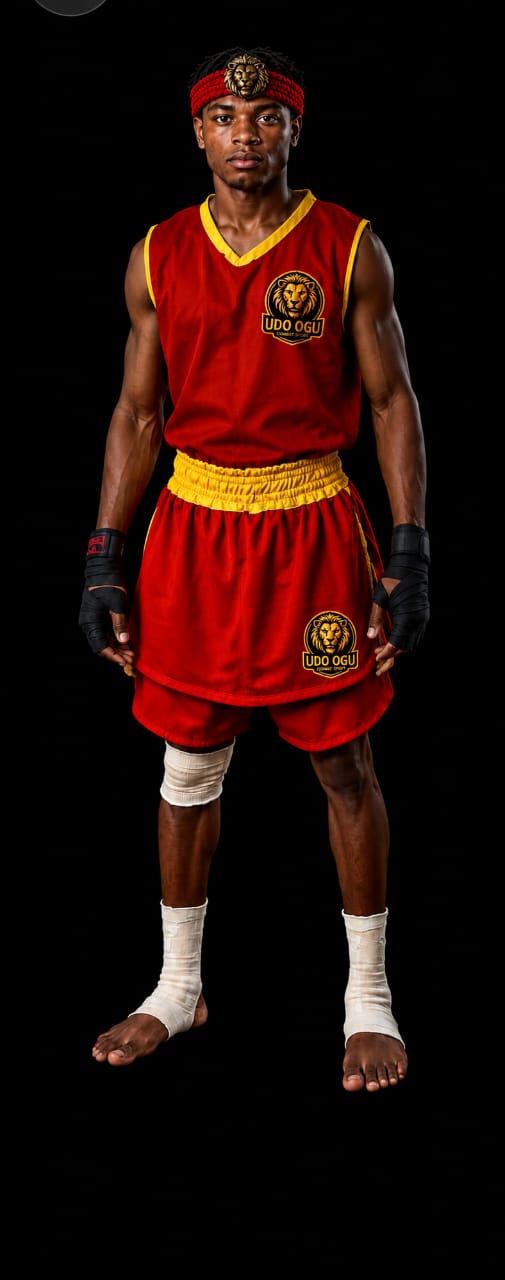
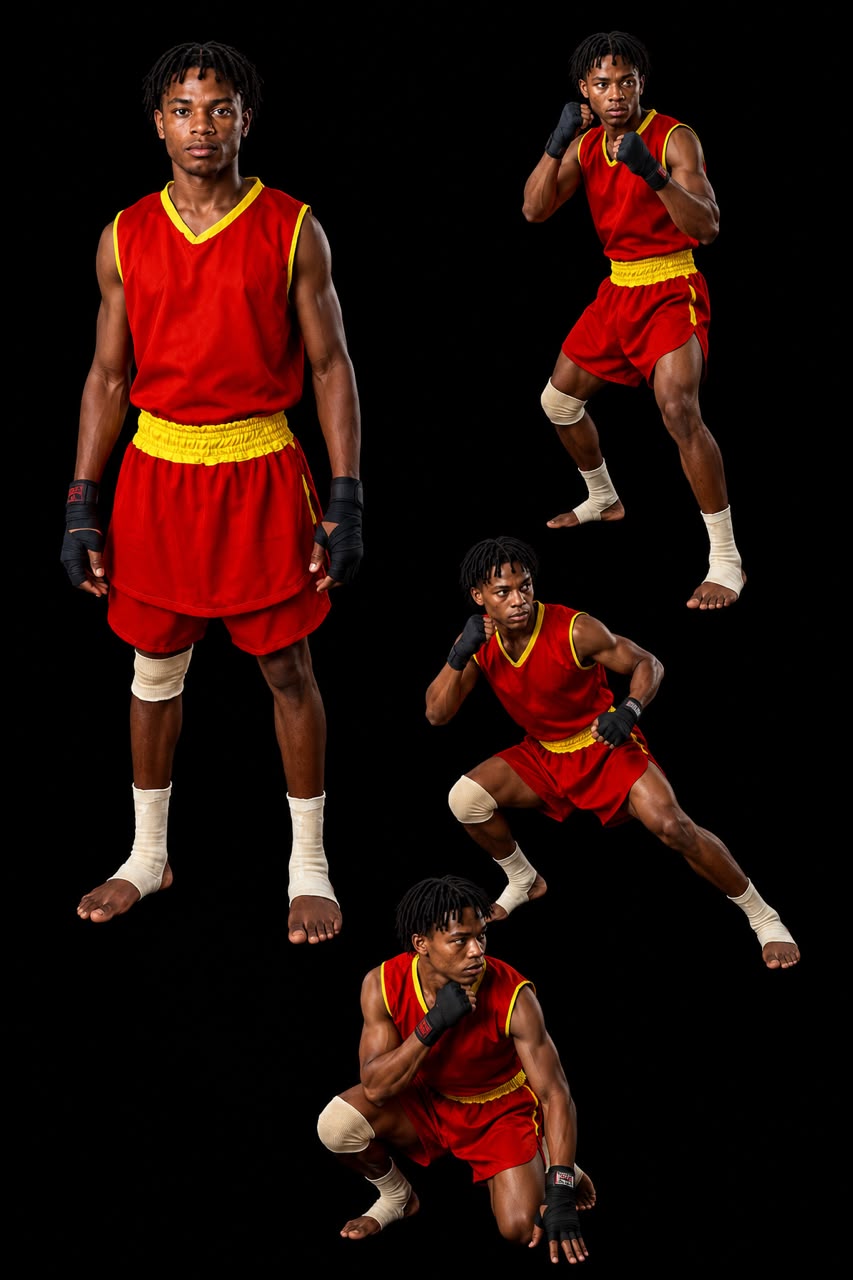
COMPETITION

Competition Combat Uniform

The competition combat uniform is designed for athletes participating in structured Udo Ogu competition and supports the presentation and standards of competitive practice.